Sexual Education VS Social Media: A Death Struggle

Jump To Section
Hi, I'm Niamh (she/her), a sexologist, developmental educator, and someone who spends way too much time watching sexual education content get shadow banned while misinformation thrives. If you've noticed that quality sexual wellness education feels harder to find online while harmful myths spread like wildfire, you're certainly not imagining it.
The Problem: Education vs. Algorithm
The Source
Social media platforms have become the primary source of sexual education information for millions of people, especially for young people and marginalised communities who may not have access to comprehensive, safe, affirming education elsewhere. But the catch is that the very platforms people rely… on are actively suppressing the educators trying to help.
Meanwhile, harmful content- body-shaming rhetoric, purity culture messaging, straight-up misinformation and misogynistic “red pill” content often flies under the radar (or even gets pushed) because it doesn't use censored language like "sex," "vulva," or "consent."
The Result?
A really distorted informational digital landscape where:
- Platforms end up showing people less useful, protective, and peer-supported information
- Evidence-based educators get shadow banned for using anatomically correct language
- Educators create community language that is inaccessible and confusing (and I’m calling myself out here)
- Harmful myths about gender roles, body image, and sexual "performance" rack up millions of views- creating the impression that those views are more common or legitimate than they actually are
- Evidence-based and sex-positive information is undermined
Why This Is Happening?
Algorithms reward engagement (hello clickbait), and not accuracy
Outrage, shame, and sensationalism drive clicks. Nuanced, evidence-based content? Not so much. So, the algorithm pushes whatever keeps people scrolling, even if it's harmful.
Sex ed language gets censored
Sexual educators are forced to use euphemisms like "shreggs," "spicy time," or "corn" just to avoid being flagged. This makes content harder to search for and less accessible to people who actually need it- especially those with cognitive disabilities, language barriers, or limited digital literacy. Then, to make matters worse, we often get criticised for using those euphemisms in the comments. Audiences want clarity and accuracy (and they deserve it), but the reality is that using the correct language can get a creator flagged or shadow-banned.
It puts sexual educators in an impossible position: speak clearly, reach minimal audience and likely have the post removed, or adapt our language and risk being misunderstood in the hopes to educate more people.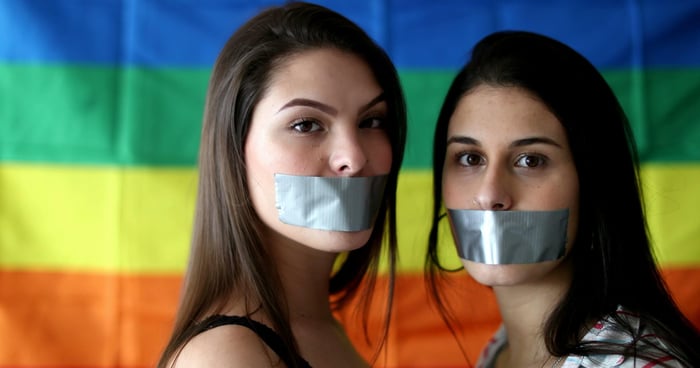
Marginalised voices are disproportionately suppressed
LGBTQIA+ educators, disabled creators, sex workers, and people of colour face higher rates of content removal and account suspension. The very communities who need affirming, inclusive education the most are being systematically erased.
What Gets Through vs. What Gets Blocked
Censorship
Sometimes it feels like the social media landscape is being moderated with a blurry filter: the things that actually help people learn about their bodies and relationships get quietly pushed down, while the things that shame them for those same bodies rise to the top.
I can talk honestly about sexual education: The importance of consent, or share accurate information about anatomy or safe sex, and suddenly the post disappears, or the reach drops to almost nothing. And yet a creator can frame insecurity as “motivation,” or wrap purity-culture expectations in a soft, aesthetic package, and it gets boosted like it’s nourishing. It’s surreal.
Affirm and Educate!
The sexual education content meant to support, affirm, and educate tends to trigger censorship alarm bells, not because it’s harmful, but because it uses words we’re being encouraged to warp or whisper. Meanwhile, the rhetoric that tells people to feel small, inadequate, ashamed, or afraid slips by untouched because it uses the “right” tone and avoids the “wrong” words.
The Real-World Impact
What is it doing to us?
The worst part is, it isn't just frustrating, it's really dangerous. When people can't access accurate information, they:
- Make decisions based on myths and shame
- Delay seeking medical care
- Experience unnecessary anxiety about their bodies
- Miss out on affirming, pleasure-positive frameworks
- Internalise harmful beliefs about sex, relationships, and identity
Minorities
For disabled and neurodivergent folks, the stakes are even higher. We're already underserved by mainstream sex ed. When the few educators creating accessible, affirming content get silenced, it deepens isolation and misinformation.
What Educators Are Doing to Survive
We're adapting…because we have to. Here's how that looks for many platforms:
Using coded language
"Spicy," "intimate wellness," "bumpy cuddles" and other euphemisms help us dodge the algorithm. But it also makes our content less searchable and accessible- we know, it sucks, and for most of us goes against what we teach in our daily roles.
Boundless Mini Massager

$59.95
Experience the ultimate pleasure with the Boundless® Mini Massager featuring a full contact, rounded shape. With 10 intense functions of vibration, pulsation, and escalation, this...… read more
Get One NowDiversifying platforms
Many sexual educators and sexual wellness platforms are moving to newsletters, podcasts, Patreon, or their own websites to avoid platform censorship. But this fragments our reach and makes it harder for people to find us.
Advocating for policy change
Some of us are pushing for better platform policies that distinguish education from exploitation.
What You Can Do?
If you value accurate, affirming sexual education, there are absolutely meaningful ways you can help:
1. Support sexual educators directly
Follow, share, comment, and engage with sex-positive educators. Algorithms notice engagement. If you can, support through Patreon, course purchases, or donations.
2. Speak up.
Challenge misinformation and uplift credible voices. Reporting harmful content and amplifying evidence-based education makes a difference.

3. Stay connected beyond social platforms.
4. Advocate for better policies
Contact platforms and demand clearer, fairer content moderation that protects sexual education. Support organisations fighting for digital rights and sex ed access.
5. Share knowledge in your circles.
Sometimes the most impactful education happens one conversation at a time.
The Bottom Line
We’re not going anywhere
Sexual wellness educators are navigating real challenges- but we’re also innovating, adapting, learning from each other, and finding new pathways forward.
If you’ve ever learned something valuable online about bodies, pleasure, consent, or safety, that’s the result of dedication, collaboration, and community care. And with support, we can keep expanding that work.
What you deserve
You deserve accurate information. You deserve affirming education. And you deserve a digital landscape that prioritises your wellbeing over advertiser comfort.
Important
I'm speaking from my experience as a sexologist and educator navigating these platforms. This isn't legal advice or a comprehensive analysis of platform policies- just a sex educator calling out from the trenches.
References:
Manduley, A. E., Mertens, A., Plante, I., & Sultana, A. (2018). The role of social media in sex education: Dispatches from queer, trans, and racialized communities. Feminism & Psychology, 28(1), 152-170. https://doi.org/10.1177/0959353517717751
HuffPost UK. (2023). We're sexual health educators – why are our social media accounts being silenced? https://www.huffingtonpost.co.uk/entry/were-sexual-health-educators-why-are-our-social-media-accounts-being-silenced_uk_64414ff5e4b0408f3e51c93f
ACM Digital Library. (2024). "Dialing it back:" Shadowbanning, invisible digital labor, and how marginalized content creators attempt to mitigate the impacts of opaque platform governance. https://dl.acm.org/doi/10.1145/3701191
Mashable. (2024). Is Instagram shadowbanning LGBTQ and sex ed accounts? https://mashable.com/article/instagram-shadowbanning-lgbtq-sex-educator-accounts
FAQs
Where I can find information on Sexual Health?
Social media platforms have become the primary source of sexual education information for millions of people Instagram and TikTok being some big ones.
Why can't I find good quality information?
The very platforms educators rely on to share information are actively suppressing the information. Meanwhile, harmful content- body-shaming rhetoric, purity culture messaging, straight-up misinformation is allowed on the platforms and doesn't get suppressed.
How is social media harming sexual educators?
Platforms end up showing people less useful information, creators are getting shadow banned, creators have to create language that is sometimes confusing and thus hard to find, myths and 'wow factor' content spreads so much faster than facts.
All of this causes the information that is needed to be undermined and forgotten.
What is censored language?
Censored language is using different but similar sounding words to get a point across without being flagged. Eg. "shreggs," "spicy time," or "corn"
This makes content harder to search for and less accessible to people who actually need it.
How are marginalised voices affected?
LGBTQIA+ educators, disabled creators, sex workers, and people of colour face higher rates of content removal and account suspension. The very communities who need affirming, inclusive education the most are being systematically erased.
How is this harming us?
When people can't access accurate information, they might make decisions based on myths and shame, avoid seeking medical care, have increased anxiety or internalise harmful beliefs about sex, relationships and their identity.
Where are sexual educators posting content now?
Many sexual educators and sexual wellness platforms are moving to newsletters, podcasts, Patreon, or their own websites to avoid platform censorship. But this fragments our reach and makes it harder for people to find them.
What can I do?
- Support sexual educators directly
- Speak Up
- Stay connected beyond social platforms
- Advocate for better policies
- Share knowledge in your circles