
How to Store And Use Condoms Safely: A Complete Guide

Jump To Section
- Why Condoms Still Matter for Safer Sex
- Condom Effectiveness and Pleasure Benefits
- Types of Condoms and What They’re Made From
- Synthetic condoms
- How Condoms Are Tested for Safe
- Trusted Condom Brands Worth Trying
- Condom Care 101: Storage, Use, and Handling
- Understanding Condom Expiration Dates
- Internal Condoms
- Final Takeaway: Safer Sex Is Sexy
- FAQs
Why Condoms Still Matter for Safer Sex
How Condoms Protect Your Health
When it comes to sexual health and overall well-being, knowing how to store and use condoms is essential! Condoms do so much more than most of us give them credit for. They’re one of the best tools we have for safer sexual experiences – reducing the risk of sexually transmitted infections (STIs) and unintended pregnancies (Walsh).
Condom Effectiveness and Pleasure Benefits
They’re also a low-cost, non-hormonal form of contraception, and they can enhance pleasure and sexual satisfaction — especially when you know how to store and use condoms correctly.
Research from the 1990s and early 2000s showed that regular condom use reduced HIV transmission by a whopping 85%, and consistent condom use is 98% effective in preventing unwanted pregnancies. This level of protection only works when you store and use condoms properly, which most people were never actually taught.
Curious about condoms, I took a deep dive into the wonderful world of research to see what’s changed in the last 20 years (since I last used a condom for sex), and, since I was already down the rabbit hole, I wanted to know where did condoms even come from?
You’re welcome 😊

A Quick History of Condoms
Early Global Condom Materials
Condoms have been around for thousands of years. They’re actually the oldest form of contraception (Marfatia et al.). Different cultures used different materials. For example, the Chinese used oiled silk paper, while the Japanese wore sheaths made of tortoiseshell, horn (not sure about the comfort for either party, but… maybe? 🤷🏾♀️), or fine leather (Marfatia et al.).
Ancient Greeks used condoms designed from animal organs, such as bladders and intestines (sheep, calves, and goats; Marfatia et al.).
The Shift to Rubber and Latex
Fast forward to the mid-18th century, and the first rubber condom was produced, but liquid latex (what most condoms are made from today) would only be introduced in the mid-1930s.
How HIV/AIDS Changed Condom Culture
It was the AIDS/HIV pandemic of the 1980s, though, that catapulted condoms into the spotlight as a cornerstone of health campaigns worldwide.
Naked Condoms Classic
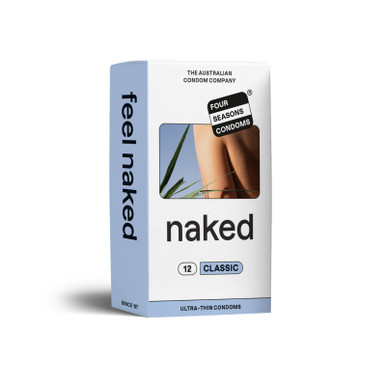
$6.00
Four Seasons NAKED Classic CondomsLike Wearing Nothing At AllThe NAKED Classic Condom by Four Seasons is an experience so sheer you won't believe you're wearing...… read more
Get One NowTypes of Condoms and What They’re Made From
These days, condoms come in a range of materials, including natural rubber and synthetics and knowing how to store and use condoms makes a huge difference to how well each type performs.
Latex Condoms — The Most Common Type
Latex condoms remain the most common, accounting for 80% of those on the market (Durex). They’re flexible, durable, and strong – thin enough for sensitivity and tough enough to stay intact.
Around 4% of people, however, are allergic to latex, so alternatives are essential (Durex).
 Synthetic condoms
For latex-sensitive people (or anyone wanting to mix it up), there are two main types of non-latex options:
Polyisoprene — Soft and Stretchy Latex-Free Option
is a synthetic rubber that’s soft, stretchy, and thicker than latex. It can also be a bit looser and sometimes has a mild smell, but it’s very comfortable.
Polyurethane — Thin, Odourless, Super Sensitive
is a thin plastic-like material. It’s odourless and thinner than polyisoprene condoms, and as effective as latex (Trojan).
Why Non-Latex Condoms Matter
Non-latex condoms aren’t just for allergies -- they can offer a different feel and sensation for all partners.
How Condoms Are Tested for Safe
Lab Testing Standards
Condoms undergo rigorous testing before they even reach your bedside drawer (Walsh) but even the toughest, most reliable condoms can fail if we don’t store and use condoms the way they were designed to be used. They’re tested multiple times in batches for holes, strength, elasticity, pressure resistance, and size compliance.
Real-World Breakage and Slippage Trials
Once condoms are out of the lab, they’re assessed through randomized, controlled trials testing breakage, slippage, and effectiveness in preventing pregnancy and STI transmission.

Trusted Condom Brands Worth Trying
Some brands consistently came out ahead of the pack in terms of quality, safety, and innovation:
- Trojan -- These are the thinnest latex and non-latex condoms, known for variety from ultra-thin and textured to larger sizes.
- Durex -- The OG for many of us! Widely available, trusted, and high-quality.
- LifeStyles -- They have ultra-thin and ribbed varieties designed with a woman’s pleasure in mind.
- One -- This brand provides custom sizing (up to sixty combinations! 🤯; One), along with fun textures and special flavored varieties that are safe for vaginal penetration.
- Four Seasons -- Is one of the most trusted Australian Brands on the market!
- SAX-- is well known for have heaps more size options!
 Condom Care 101: Storage, Use, and Handling
Proper storage, handling, and use make all the difference when it comes to condom effectiveness. So this section covers exactly how to store and use condoms safely.
Proper Condom Storage
OK, so you’ve bought your condoms, but how do you store them properly?
Learning how to store and use condoms starts with the basics: keep them in a cool, dry place, away from heat, friction, moisture, and direct sunlight. So that secret stash in the bedside drawer is in the perfect spot. Your bathroom cabinet or wallet? Not so much.
If you like the idea of always carrying one with you (and who doesn’t want to be prepared?), use a carrying case, like a small tin.
How to Handle a Condom Safely
Open the package carefully with fingers -- not nails, teeth, or scissors. I know Hollywood might make it look super sexy to rip a condom open with your teeth, but trust me on this, it’s not worth the risk of a tear.
How to Put On a Condom Correctly
Size matters!! A too-tight condom might decrease sensation, potentially lead to loss of erection, and cause breakage. Too loose, it could slip off the penis. So, make sure you’re always using the right size. Hell! Get some custom-sized ones if you can, but there’s no excuse to use an ill-fitting condom, mmmmmm’kay?
How to put it on:
- Place condom on tip of the erect penis, with the rolled side out -- think of it like a hat.
- Pinch the tip to remove any extra air, to make space for semen.
- While still pinching the tip, slowly unroll the condom down the base. Ta-da!
The Role of Lubrication
Lube is your friend. It reduces friction, enhances pleasure, and prevents breakage. If you’re using latex condoms, then stick to water-based or silicone-based lubricants. A drop of lube inside the reservoir tip before rolling the condom down can enhance sensation. When you store and use condoms with the right lubricants, you reduce friction, boost pleasure, and dramatically reduce breakage.
Never, ever, ever use oil-based products with latex condoms. I’m talking baby oil, petroleum jelly, or any type of cooking oil. They degrade latex and increase the risk of condom breakage.
Safe Condom Disposal
After ejaculation, hold the condom at the base so it doesn’t slip off during withdrawal. Carefully pull it off the base, not the tip, please. Once off, tie a knot in the condom, wrap it in tissue, and throw it in the bin. Voila!
Never flush condoms, and never reuse (yes, really).
Sax Condoms 64mm Super Max Fit
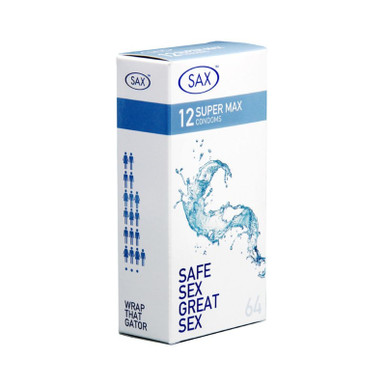
$14.00
Sax Super Max Fit. 64mm nominal width. Pack of 12 condoms When you are looking to stock up some condoms for personal use Sax Condoms...… read more
Get One NowUnderstanding Condom Expiration Dates
Its not just a suggestion!!!
How Long Condoms Last
Condoms don’t last forever. Most latex condoms have about a five-year shelf life, though some Trojan condoms state that they are good for at least three years (Trojan).
Always check the expiration date -- usually printed on the side of the package or on the wrapper.
Signs Your Condom Is Expired or Damaged
Always check the box itself. Are there any defects? Any tears? Has it been tampered with in any way? If the package is past the expiration date, leaking lubricant, sticky, looking like it’s been put through a wringer, smells bad (ew!), don’t use it.
Why Expired Condoms Break More Easily
Once expired, condoms begin to lose flexibility and strength, increasing the chances of breakage.
Internal Condoms
What Internal Condoms Are (And How They Work
Also known as ‘female condoms’, internal condoms offer latex-free, pre-lubricated alternatives that line the vagina and cover part of the vulva – helping prevent fluid exchange.
FC2 Condoms in Australia
While several brands pop up online, it seems the only one currently sold in Australia is the FC2(FPNSW). It’s made from nitrile, a synthetic latex, which is great for our latex-sensitive friends, and is around 95% effective when used correctly (FPNSW).
Why Internal Condoms Are Hard to Find
Unfortunately, they’re surprisingly hard to get a hold of (aside from Family Planning NSW, which does accept online orders, apparently). I would love to give you more details, but my research came up short. While some research shows that they can be sourced from clinics and certain online retailers, female condoms are less accessible than male condoms and not widely available for purchase (Snuggy Mom). Believe me, I tried! So, while I would love to give you a hands-on review, I can only offer theory right now.
If you know where I can find some (purely for research purposes, of course 😉), or have thoughts about the article, please let me know – I’d love to hear from you.

Final Takeaway: Safer Sex Is Sexy
Condoms may be ancient, but they’re still one of the most effective and accessible tools for safer sex. So, stock up, store them right, and remember – protection and pleasure go hand in hand 😊
Until next time, stay safe and sexy!
FAQs
What are the different types of condoms available?
Latex, polyisoprene, polyurethane, and nitrile internal condoms are the main types
Are condoms really 98% effective?
Yes—when used correctly. Real-life use varies, but condoms remain one of the best safer-sex tools available.
Which condoms are best for people with latex allergies?
Polyurethane, polyisoprene, and nitrile internal condoms are great latex-free options.
How do I know what condom size I need?
Measure or try a few fits. Condoms shouldn’t feel tight or loose. Some brands offer larger or smaller sizing options.
Can I use lube with condoms?
Absolutely. Use water-based or silicone-based lubricants with latex condoms. Avoid oil-based products.
How do I store condoms correctly?
Keep them somewhere cool, dry, and away from sunlight—your bedside drawer is great, your wallet or bathroom isn’t.
Can condoms break easily?
Only if they’re expired, stored improperly, used with oil-based lube, or torn during opening.
What are internal condoms and are they effective?
Internal condoms are nitrile, latex-free, pre-lubricated sheaths worn inside the vagina. They are about 95% effective when used correctly.
Which condom brands are the most reliable?
Four Seasons, Durex, Lifestyle/Skyn, and SAX are the most reliable brands in Australia