Laments About Navigating Dating Apps

Jump To Section
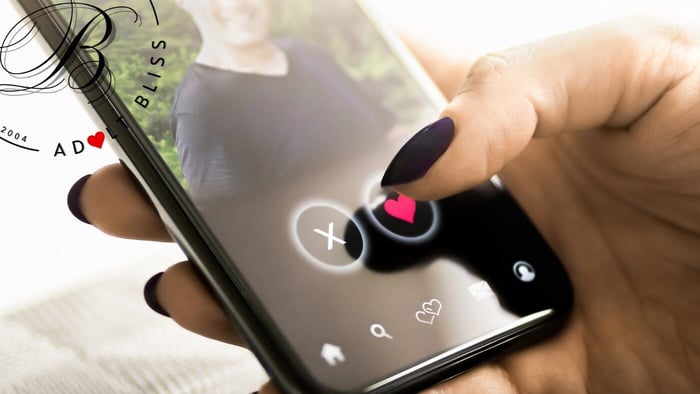
Navigating dating apps can be a real journey. Or should I say jOuRnEy. For those of us who are frequent users, you are sure to come across many road bumps along the way. From the ghosting, to the bot scammers, to the idle chit chat, or even just the plain ol’ fashioned liars, dating apps can really put a person through the modern day romance wringer!

Look for the Positives
Despite this, dating apps can of course bring about so many positives too - for me personally, some of the BEST sexual experiences of my entire life have come from people I’ve met on dating apps. Additionally, I know several people who have met their version of sexual and/or romantic happiness on dating apps (whether that be a fun friend with benefits, new partner or spouse).
A little bit of help
If you feel like you need a hand with navigating dating apps (who doesn’t sometimes!) this blog post is for you. We’re going to take a look at:
The different ways heterosexual men and women use dating apps (apologies for the het focus in this section. If you’re reading this and are Queer, this section will just make you more glad to be Queer!)
The algorithm
The ‘‘“Burned Haystack Dating Method’’
Dating app burnout
Using Dating Apps Differently: Men vs Women
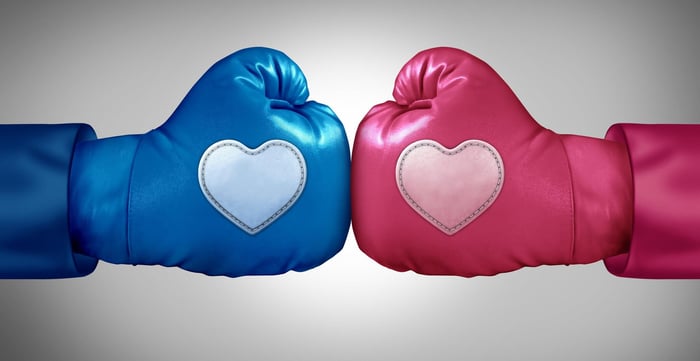
I had a coffee date just the other day with a man I matched with on Tinder; he reminded me that some men use dating apps simply due to “bordem”. A previous blog post on here also spoke about how some men use dating apps, saying that many men can “approach online dating like a game to be won – and yes, often it is indeed about outshining the competition as much as the end result, the accomplishment versus the journey.’’ What a downer if you’re on the other side of this and actually do have hopeful intentions of finding a genuine connection.
To fussy? Or not fussy enough?
Typically, and research has found, heterosexual men give likes to many profiles while heterosexual women do the opposite and give out far fewer likes (Neyt et al., 2019). Anecdotally, I can attest to this point; when I was previously on dating apps I remember reflecting to myself and feeling as though I might have liked 1 in 20 profiles, or even less. I truly wouldn’t say I’m extremely fussy, I tried to remain open minded but even so, I just wasn’t into what I was seeing in the pool. And if I did like someone’s profile, it was rare that he would like mine back. Things like this make navigating dating apps so difficult.
The Stats
If you want the numbers, Neyt et al. (2019) found that men liked 61.2% of profiles versus women liking 4.5% of profiles. This imbalance in giving out likes has a flow on effect: men receive far fewer matches than women do - men overcompensate by liking even more profiles - men become less selective with who they are liking.
Time to reverse it!
You might have gathered already but, yes, the opposite is true for women; women typically receive more matches, which allows them the option of being more selective with who they like.
This whole mismatched dynamic can cause frustration and disappointment for all involved, navigating dating apps isn't easy for anyone. Basically, if you’re less selective or invested in who you’re liking, you’re not going to care as much about actually chatting and/or meeting up in real life. Again I say, what a downer if you’re on the other side of this and actually do have intentions of meeting someone (because you were more selective/invested in who you liked in the first place).

The Algorithm
Another guy from Tinder who I recently met up with told me that he tried to “beat the algorithm” by entering false information about himself on his profile (he said he was a few years younger and that he was studying a much higher degree at uni than his undergraduate degree…lol). Obviously this struck me as weird (among other things)…but does he have a point? Is it worthwhile trying to throw off the algorithm? Does the algorithm actually help you to find more like-minded matches? This just ads another layer to navigating dating apps.
Data, data, data
“Dating apps with the data-driven algorithms provide the premise that matches couples with similar backgrounds, interests and information intended for a successful relationship” (Chang, 2025, p. 1071). It’s up to users to enter their information (e.g. create their profile), then the algorithm is meant to provide similar profiles for users to match with. Personally, when I was previously navigating dating apps, I entered accurate information about myself (e.g. my age, education level, politics) in the hope of being matched with people with similar information…but I certainly did not receive back like-minded folk (or, I seldom did.) I saw it all, including a plethora of men with seemingly opposite politics and social values to me (insert a lot of swiping left).
Is it a popularity contest?
It’s also been suggested that algorithms analyse how “popular” your profile is (e.g. how many likes you’re getting from others) and match you with profiles that are similarly “popular” (or unpopular?). This popularity ranking is supposedly also paired with your “appearance” ranking (gross). Other ways algorithms work include pairing profiles based on how active users are on the app, user’s location, and having similar types of photos. See Olaya & Ironmonger’s Sydney Morning Herald article for further comments about these points.

Will I be matched with people with similar interests?
Results from one study showed that algorithm matches based on user’s backgrounds, interests, hobbies, and personalities were not necessarily enough to facilitate genuine connections, because the algorithm does not account for how humans actually interact with each other in real life (Chang, 2025). To combat this, it is suggested that social skills and empathy are integrated into algorithms (Chang, 2025). If it is actually possible to integrate such things, cool, but call me crazy…I’m a bit skeptical about an algorithm’s ability to be like “I’m so sorry to hear that” or “tell me more about your family”. Let’s just get matched, get off the screens quicker and meet irl for a vibe check, showing off all our actual, human, in person social skills and empathy then?
“Needle in a Haystack”
We all know this classic phrase but what does it mean in the context of navigating dating apps? Professor Jennie Young is the creator of “Burned Haystack Dating Method”, which I first learnt about when listening to this podcast episode. Young uses this method in the context of heterosexual relationships, but I think it can be applicable to all people using dating apps. Her method relates the idea of finding a wonderful, like-minded, attractive, funny, engaging match on a dating app akin to “finding a needle in a haystack” - pretty much impossible. So what’s her solution? Burn the haystack to the ground! In other words, block, block, and block! Her advice is, instead of simply swiping left/dislike to profiles that you have zero interest in, block them. Young suggests this can rejig your algorithm and signal to it that you don’t want to see profiles like these anymore.
Time is a resource
One critique of this method is that blocking all profiles you don’t like can suck more time, energy and effort from users. Swiping left takes way less time and I’m sure plenty of dating apps users would hope to spend less time on the app, not more.
Nevertheless it is an extremely interesting method and there is certainly much more to it than what I have explained here. Go to Young’s website to learn more about her method if it strikes your fancy.
Dating App Burnout
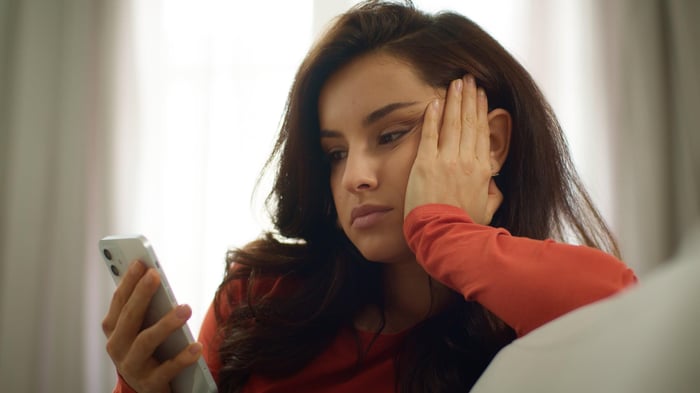
Endless swiping. No profiles that truly excite or attract you. No one daring to message in the first place. Messaging that fizzles out before you’ve even met irl. It’s no wonder that navigating dating apps can eventually lead to some negative emotions and ultimately result in burnout. See this Forbes article for further comments about dating app burnout.
Avoid the burnout
If you’re beginning to feel the burn, consider the following points:
A friend gave me a great piece of advice - just stick to one app! This can help with feelings of fatigue and reduce screen time. Plus, you’re probably just going to see the same people on all the different apps anyway.
Turn off the app’s notifications. Check the app when you choose to, instead of jumping to respond once you hear that notification ‘ping’
Put a daily timer on the app. Most phones have “digital wellbeing” options in settings. Set a certain amount of time to spend on the app each day and stick to it
I really liked Esther Peril’s comments about dating app usage (of course I did, it’s Esther Peril!) Basically she says, what are you doing off the apps? Do you spend time with your friends? Do you have friends? Do they introduce you to new people? Do you go out to places where you’re likely to interact with people?
Please be kind to yourself and recognise if you are feeling down and low about your app experience - if that is the case, pausing your account for a few days, weeks, months, or a year might be the very best thing for you right now.
You're not alone
Navigating dating apps can be tough for everyone sometimes. Hopefully this blog post has given you some helpful insight or maybe some ideas for a new approach. Keep in mind the different ways women/men use dating apps, that pesky algorithm, perhaps burning the haystack to find your “needle” and what to do when feeling fatigued on the apps. Let’s face it, we’re all out here swiping away trying to find the same thing - connection. I hope you find that connection you are seeking, while being mindful of any bumps along your journey!
References:
Chang, A. (2025). Meet the one: Analyzing the algorithm behind a dating app. ICIC Express Letters Part B: Applications, 16(10), 1071–1080. https://doi.org/DOI:10.24507/icicelb.16.10.1071
Neyt, B., Vandenbulcke, S. & Baert, S. (2019). Are men intimidated by highly educated women? Undercover on Tinder. Economics of Education Review, Elsevier, 73. https://doi.org/DOI:10.1016/j.econedurev.2019.101914
FAQs
Can dating apps be a positive experience?
Dating apps can of course bring about so many positives you could meet some of the BEST sexual experiences you've ever had, you could meet someone who you click with sexually that develops into a long term thing, someone you get along with really well but don't actually want to date, or even your life partner.
Am I being too fussy on dating apps?
Typically, and research has found, heterosexual men give likes to many profiles while heterosexual women do the opposite and give out far fewer likes.
It all comes down to what you are looking for, you are much more likely to get matches the more profiles you like. But some of these may not be people you would normally be drawn to. Is this always a bad thing?
If you're okay with not getting many matches, it's okay to be fussy.
Who likes more profiles? Men or Women?
Studies show that men liked 61.2% of profiles versus women liking 4.5% of profiles. This imbalance in giving out likes has a flow on effect: men receive far fewer matches than women do - men overcompensate by liking even more profiles - men become less selective with who they are liking.
Can you beat the algorithm?
Some people try and beat the algorithm by entering false information about themselves on their profile saying they are a bit younger, doing more study than they are. Does this help? It's very difficult to say because you are never going to know if you could have gotten the like with a truthful profile or not. And that's the tricky part with the algorithm.
Does the amount of likes I'm getting matter?
There isn't a 100% answer on this one, but it has been suggested that algorithms analyse how “popular” your profile is (e.g. how many likes you’re getting from others) and match you with profiles that are similarly “popular”.
How do I find my 'needle in a haystack?'
It's a different approach, but one researcher says to burn the haystack to the ground! In other words, block, block, and block! Her advice is, instead of simply swiping left/dislike to profiles that you have zero interest in, block them. You will filter out or 'burn' the hay to find your needle (a good match)
How can I avoid burnout?
Just stick to one app
Turn off the app’s notifications
Put a daily timer on the app
Don't let the app control your life
Take a long break from the app once in a while